Crypto Mining Uptime: What It Is and Why It Matters
Crypto mining depends on infrastructure that needs to remain operational for mining activity to continue. One important measure of infrastructure availability is uptime.
Uptime describes how consistently mining infrastructure remains operational during a specific period. Understanding uptime can help users evaluate the reliability of mining infrastructure and hashrate rental platforms.
What Is Uptime in Crypto Mining?
Uptime refers to the amount of time mining infrastructure remains operational and available for mining activity.
Mining infrastructure can include:
- Mining hardware
- Network connectivity
- Mining software
- Cooling systems
- Power systems
- Data center infrastructure
Higher uptime generally means fewer interruptions to mining operations.
Why Is Uptime Important?
Crypto mining involves continuous computational work. When mining infrastructure is operational, mining activity can continue under the applicable network and operating conditions.
Higher uptime can support:
- More consistent mining operations
- Better availability of rented hashrate
- Fewer operational interruptions
- More reliable access to mining infrastructure

However, uptime is only one factor to consider. High uptime does not guarantee mining rewards or profitability.
How Is Uptime Measured?
Uptime is normally expressed as a percentage over a defined period.
For example:
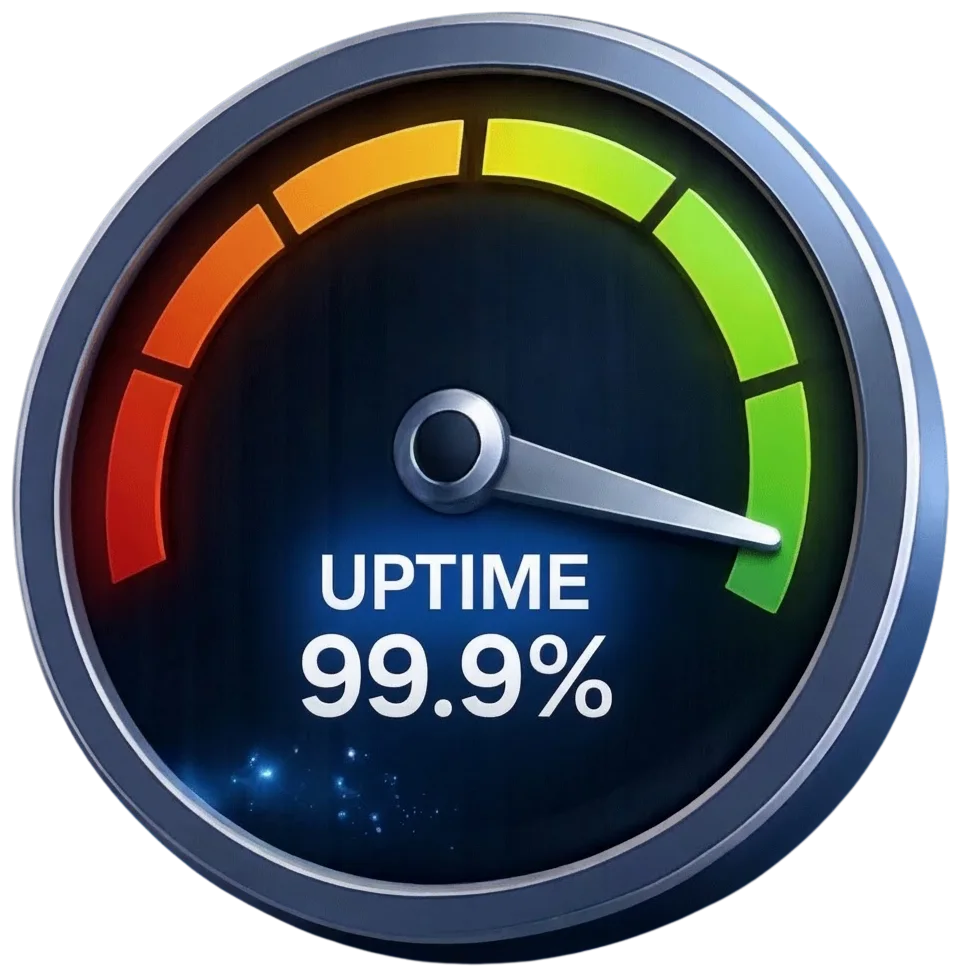
- 99% uptime means the infrastructure was operational for 99% of the measured period, allowing up to 1% downtime.
- 99.9% uptime uptime means the infrastructure was operational for 99.9% of the measured period, allowing only 0.1% downtime.
The actual amount of downtime represented by a percentage depends on the measurement period.
Uptime and Hashrate Rental
Hashrate rental allows users to access mining power without directly owning and managing physical mining hardware.
Because the underlying infrastructure is operated by the service provider, infrastructure availability becomes an important consideration.
When evaluating a hashrate rental platform, users can consider uptime alongside:
- Available hashrate
- Rental duration
- Pricing and fees
- Supported algorithms
- Mining pool information
- Infrastructure transparency
Looking at these factors together provides a more complete view of a mining service.
Does Higher Uptime Mean Higher Profit?
Not necessarily.
Higher uptime can support more consistent mining activity, but mining profitability depends on many other factors, including:
- Cryptocurrency price
- Network difficulty
- Hashrate
- Mining fees
- Pool conditions
- Rental costs
- Market conditions
Therefore, uptime should be viewed as an infrastructure reliability indicator, not a profitability guarantee.
LazyPickaxe and Mining Infrastructure
LazyPickaxe provides access to hashrate rental through modern mining infrastructure.
Understanding uptime, downtime, and infrastructure reliability can help users better evaluate the operational side of hashrate rental and make more informed decisions when exploring crypto mining.
Final Thoughts
Uptime is a simple but important concept in crypto mining.
It helps users understand how consistently mining infrastructure remains operational and available. While higher uptime can support more consistent mining operations, it should always be considered alongside hashrate, network conditions, fees, infrastructure, and other relevant factors.
Understanding the infrastructure is an important step toward understanding crypto mining.
Uptime does not guarantee mining rewards or profitability. Mining outcomes can vary based on market conditions, network difficulty, fees, infrastructure conditions, and other factors.
Like this article? Share it!