How Mining Algorithms Work: SHA-256, Scrypt, and KHeavyHash
Cryptocurrency mining relies on mining algorithms to secure blockchain networks and validate transactions. Each algorithm is designed with different priorities—security, decentralization, speed, or resistance to specialized hardware.
In this guide, we’ll explain how mining algorithms work and break down three popular ones: SHA-256, Scrypt, and KHeavyHash.
What Is a Mining Algorithm?
A mining algorithm is a cryptographic puzzle that miners must solve to add a new block to the blockchain. Miners compete by performing massive numbers of calculations per second until one produces a valid result.
Mining algorithms help to:
- Secure the blockchain network
- Validate and confirm transactions
- Prevent double spending
- Control the rate of new coin issuance
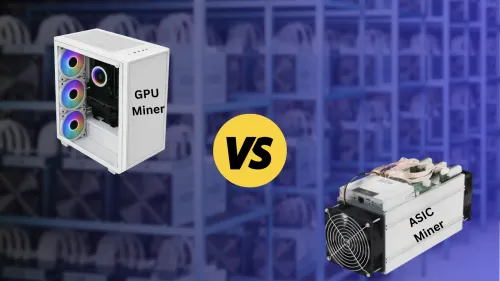
Different algorithms favor different hardware types, such as ASICs, GPUs, or CPUs.
SHA-256: The Foundation of Bitcoin Mining
SHA-256 (Secure Hash Algorithm – 256 bit) is the most widely used mining algorithm and powers the Bitcoin network.
How SHA-256 Works
- Converts input data into a fixed 256-bit hash
- Miners repeatedly change a value called a nonce
- The goal is to find a hash lower than the network difficulty target
Hardware Used

Advantages
- Extremely secure and proven
- Highly stable and decentralized network
- Industry-standard algorithm
Disadvantages
- Very high electricity consumption
- ASIC dominance makes it inaccessible for small miners
Coins Using SHA-256
- Bitcoin (BTC)
- Bitcoin Cash (BCH)
- Bitcoin SV (BSV) etc..
Scrypt: Memory-Intensive Mining
Scrypt was created to make mining more accessible by requiring large amounts of memory, rather than raw processing power alone.
How Scrypt Works
- Uses both computation and memory
- Makes brute-force optimization harder
- Allows faster block times compared to SHA-256
Hardware Used
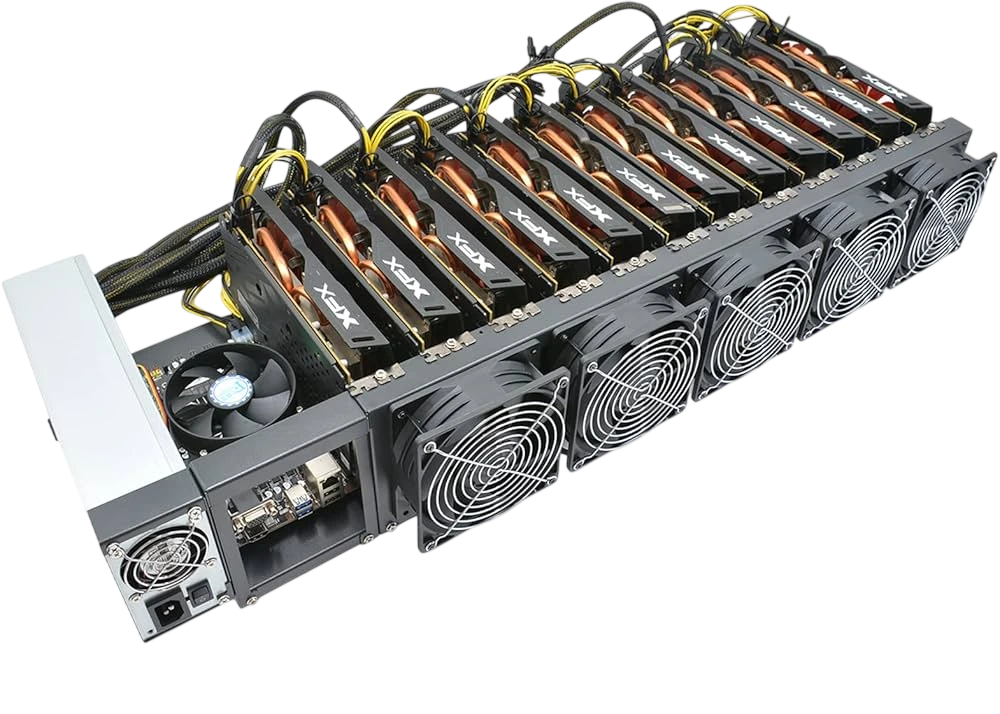
- ASICs (modern)
- GPUs (limited profitability)
Advantages
- Faster transaction confirmations
- Lower energy usage than SHA-256
- Easier entry point than Bitcoin mining
Disadvantages
- ASICs eventually reduced decentralization
- Lower overall network security than Bitcoin
Coins Using Scrypt
- Litecoin (LTC)
- Dogecoin (DOGE)
- Verge (XVG) etc..
KHeavyHash: High-Speed and DAG-Free Mining
KHeavyHash is a modern mining algorithm designed for the Kaspa (KAS) blockchain. It focuses on extremely fast block times and high throughput while avoiding large memory requirements.
How KHeavyHash Works
- Uses a lightweight, non-DAG hashing process
- Optimized for fast block validation
- Designed to support Kaspa’s blockDAG architecture
Hardware Used
- GPUs
- ASICs (emerging support)
Advantages
- Very high block speed
- No large DAG files required
- Efficient on both GPUs and modern ASICs
- Supports scalable and fast networks
Disadvantages
- Rapidly evolving ASIC landscape
- Profitability can change quickly due to network growth
Coins Using KHeavyHash
- Kaspa (KAS)
SHA-256 vs Scrypt vs KHeavyHash
| Feature | SHA-256 | Scrypt | KHeavyHash |
|---|---|---|---|
| Primary Hardware | ASIC | ASIC / GPU | GPU / ASIC |
| Energy Usage | Very High | Medium | Medium |
| ASIC Resistance | ❌ No | ❌ Limited | ⚠️ Partial |
| Memory Heavy | ❌ No | ✅ Yes | ❌ No |
| Block Speed | Slow | Fast | Very Fast |
| Best For | Industrial mining | Mid-scale miners | High-speed mining |
Which Mining Algorithm Should You Choose?
Your ideal mining algorithm depends on:
- Available hardware
- Electricity cost
- Budget and scale
- Desired level of decentralization
- SHA-256 is best for large-scale, long-term mining operations
- Scrypt offers faster blocks with moderate accessibility
- KHeavyHash is ideal for miners targeting high-speed, next-generation blockchains like Kaspa
Mine Without Hardware on LazyPickaxe
With LazyPickaxe, you can mine multiple algorithms without owning hardware. Choose your algorithm, set your hashrate, and start mining instantly—no setup, no maintenance.
🚀 Mine crypto the easy way with LazyPickaxe → View supported algorithms on LazyPickaxe
Want more guides like this? Explore our blog for mining tips, algorithm comparisons, and profitability insights.
Like this article? Share it!